Understanding the Landscape of Sports Broadcasting
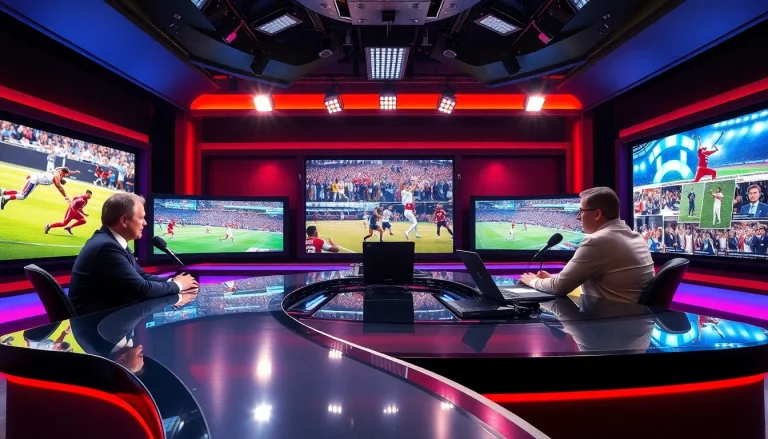
Sports broadcasting is a dynamic industry that brings the excitement of live sports events directly into people’s homes and devices. The evolution of Sports Broadcasting has transformed the way audiences consume sports, making it an essential facet of the entertainment sector. This article delves into the history, key roles, and trends shaping the future of sports broadcasting, providing valuable insights for anyone interested in this vibrant field.
History and Evolution of Sports Broadcasting
The origins of sports broadcasting can be traced back to the early 20th century when radio began to emerge as a communication medium. The first known live sports broadcast occurred in 1921 with a boxing match, capturing the interest of listeners and laying the groundwork for a new era. With advancements in technology, television took the stage in the 1930s, enabling audiences to view live sporting events in ways previously unimaginable.
As television became more widespread in the 1950s and 1960s, sports broadcasting continued to grow, introducing icons such as Howard Cosell and Jim McKay, who became household names through their engaging commentary. The introduction of cable television in the 1980s further revolutionized the industry, as networks like ESPN emerged, providing round-the-clock sports coverage and creating a fervent fanbase.
In the 21st century, the digital revolution has massively influenced sports broadcasting. Streaming services, social media platforms, and mobile applications have democratized access to live broadcasts, enabling fans to watch events anywhere and anytime. This shift has prompted traditional broadcasters to adapt their strategies, ensuring that they reach audiences through multiple channels.
Key Roles in Sports Broadcasting
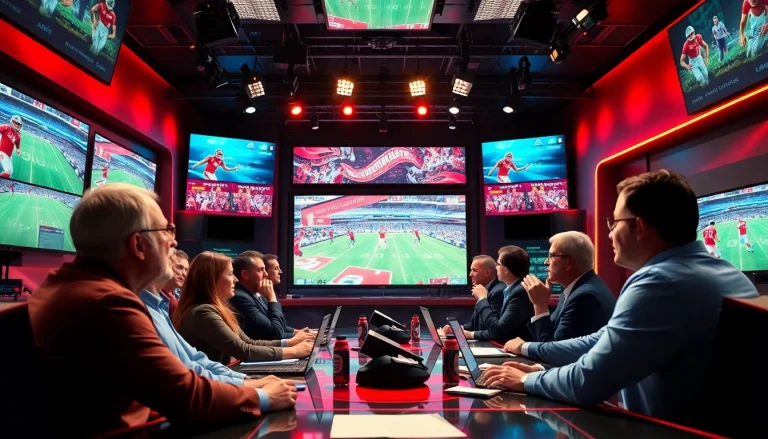
Sports broadcasting involves a diverse team of professionals, each playing a crucial role in delivering a seamless viewing experience. The key roles include:
- Commentators: These are the voices that bring events to life. They provide real-time play-by-play commentary and insights, enhancing viewer engagement.
- Analysts: Analysts contribute their expertise by breaking down plays, strategies, and performances, offering viewers a deeper understanding of the game.
- Producers: Producers orchestrate the entire broadcast, coordinating camera angles, sound, graphics, and timing to ensure a cohesive show.
- Camera Operators: These technical experts capture the action from various angles, focusing on key moments that keep viewers glued to their screens.
- Directors: The directors oversee the visual storytelling, making split-second decisions about what viewers see on screen, ensuring effective pacing and flow.
Trends Shaping the Future of Sports Broadcasting
The landscape of sports broadcasting is constantly evolving, driven by innovative technologies and changing consumer behaviors. Some of the most noteworthy trends include:
- Streaming Services: The rise of platforms like Netflix and Amazon Prime has made live sports more accessible, with many viewers opting for streaming rather than traditional cable.
- Virtual Reality (VR) and Augmented Reality (AR): These technologies are enhancing viewer experiences, offering immersive viewing alternatives that transport fans right to the action.
- Data Analytics: Sports broadcasters increasingly rely on data to provide insights and improve content, from on-screen graphics to in-depth analysis.
- Interactive Broadcasting: Audiences are now able to engage with broadcasts through real-time polls, social media interactions, and customized viewing options.
- Global Reach: With the help of the internet, broadcasts can reach a worldwide audience, enabling even local teams to gain international fans.
Essential Skills for Sports Broadcasting Professionals
To thrive in the world of sports broadcasting, professionals must cultivate a wide array of skills that cater to the demands of the industry.
Communication Skills for Effective Sports Broadcasting
Strong communication skills are fundamental for anyone in sports broadcasting, from commentators to producers. The ability to convey information clearly and concisely while maintaining viewer engagement is vital. This includes not only verbal communication but also body language and vocal tone that enhance storytelling.
Moreover, broadcasters should be adept at adjusting their communication style to suit diverse audiences, whether they are seasoned sports fans or newcomers to the game. Knowing when to simplify jargon and when to delve into technical details can be the difference between an engaged viewer and a confused one.
Technical Proficiency in Broadcasting Equipment
Understanding the technical aspects of broadcasting equipment is essential for a successful career in this field. Broadcasters must be familiar with cameras, microphones, and broadcasting software to ensure high-quality production. Knowledge of sound mixing, video editing, and live broadcasting technologies aids in creating professional content that resonates with viewers.
Staying updated with the latest technological advancements is equally important, as the industry is continuously evolving with new tools that enhance the viewer experience.
Storytelling Techniques in Sports Broadcasting
Effective storytelling is at the heart of sports broadcasting. Professionals must be able to weave data, statistics, and emotional narratives into compelling stories that captivate audiences. This involves understanding the flow of the game, the historical context, and players’ backgrounds to create a narrative that resonates with viewers.
Moreover, incorporating storytelling techniques such as character development, conflict resolution, and climactic moments serves to enhance the broadcast and make it more engaging.
Preparing for Sports Broadcasting Events
Preparation is key in sports broadcasting. The more effort that goes into planning and logistics prior to an event, the smoother the broadcast will unfold.
Research and Content Creation for Sports Broadcasting
Thorough research is the backbone of effective sports broadcasting. Broadcasters must stay informed about the teams, players, and narratives surrounding a game to provide insightful commentary. This involves analyzing statistics, reviewing past performances, and staying updated on injuries or major events that could affect the game.
Additionally, creating engaging content—such as segments featuring players’ anecdotes or fan interactions—can significantly enhance the broadcast by making it relatable to viewers.
Building a Pre-Game Plan and Schedule
A well-structured pre-game plan is essential for a seamless broadcast. This includes developing a content schedule that outlines the key topics, guest appearances, and segments to cover during the broadcast. Coordinating with producers, technical teams, and commentators ensures that everyone is on the same page, minimizing the risk of mishaps during the live event.
Moreover, having contingency plans in place for unexpected circumstances, such as technical failures or last-minute player changes, demonstrates professionalism and adaptability.
Engaging with the Audience During Sports Broadcasting
Engagement is crucial during live broadcasts. Utilizing social media platforms to interact with viewers in real time can enhance the broadcast experience, as fans appreciate being part of the conversation. Polls, live comments, and shoutouts can create a sense of community and connection between the broadcaster and the audience.
Strategies such as asking questions or inviting viewers to share their opinions on certain plays can lead to lively discussions that keep viewers invested throughout the event.
Analyzing Performance Metrics in Sports Broadcasting
To ensure continuous improvement in sports broadcasting, it is essential to analyze performance metrics that reflect audience engagement and satisfaction.
Measuring Audience Engagement in Sports Broadcasting
Audience engagement can be measured through a variety of methods, including viewership statistics, social media interactions, and feedback surveys. Metrics such as average view duration and peak viewership during critical moments provide invaluable insights into which segments resonate most with viewers.
Determining audience sentiment through social media monitoring can also inform broadcasters about what fans enjoy or wish to see more of in future broadcasts.
Key Performance Indicators for Sports Broadcasting
Establishing key performance indicators (KPIs) allows sports broadcasters to evaluate their success and identify areas for improvement. Common KPIs include:
- Viewership ratings
- Viewer retention rate
- Social media engagement metrics
- Feedback ratings from viewers
- Revenue generated from advertisements and sponsorships
Feedback and Continuous Improvement in Broadcasts
Soliciting feedback from both viewers and industry experts is crucial for growth. Conducting post-broadcast assessments and analyzing performance data allow broadcasters to refine their techniques and address any shortcomings. Embracing constructive criticism fosters a culture of continuous improvement that benefits everyone involved in the broadcasting process.
Frequently Asked Questions about Sports Broadcasting
What qualifications do I need for a career in Sports Broadcasting?
A career in sports broadcasting typically requires a related degree, such as journalism or communications. Experience through internships, media productions, or small-scale broadcasts is crucial for developing practical skills.
How do I effectively engage an audience during broadcasts?
Engagement can be achieved by interacting with viewers through social media, posing questions, and creating relatable content. Capturing emotional moments of the event also keeps the audience invested.
What technology is essential in Sports Broadcasting?
Essential technologies include video cameras, microphones, sound mixing equipment, and broadcasting software. Knowledge of live streaming platforms is also beneficial as they become increasingly popular.
How can I improve my commentary skills?
Improving commentary skills involves practicing regularly, studying the game, and learning from seasoned broadcasters. Recording practice sessions and seeking feedback can also enhance delivery and engagement.
What trends are emerging in Sports Broadcasting today?
Emerging trends include the rise of streaming services, the use of VR and AR for immersive experiences, greater audience interactivity, and a focus on data analytics for enriched content and viewer insights.
About the Author