Introduction to Sports Broadcasting
Defining Sports Broadcasting
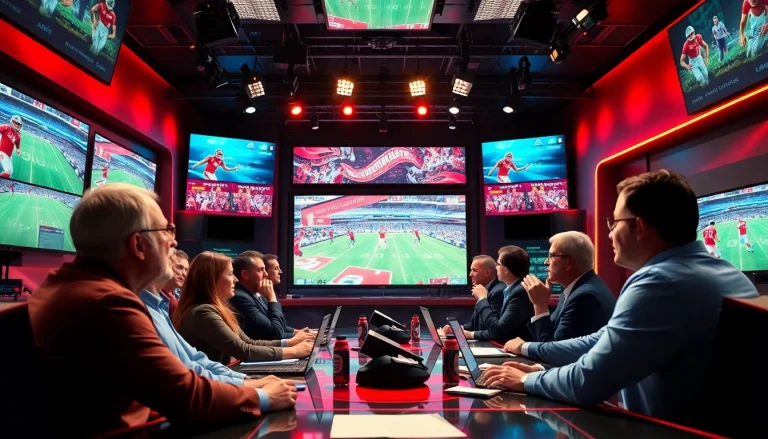
Sports Broadcasting is a multifaceted industry that encompasses live or recorded transmissions of sports events to a vast audience. It utilizes a range of platforms, including television, radio, and increasingly, digital streaming services. Whether it’s a local high school football game or a premier international match, sports broadcasting plays a crucial role in promoting the spectacle of sports, connecting fans with their favorite teams and athletes. With advancements in technology, Sports Broadcasting has evolved tremendously, reshaping how we experience live events today.
Historical Milestones in Sports Broadcasting
The roots of sports broadcasting date back to the early 20th century when radio became a popular medium. The 1920s saw the first live radio broadcasts of sports events, transforming how fans consumed sports. The advent of television in the 1950s marked a significant turning point, with broadcasts reaching millions of households. Iconic moments, such as the 1958 NFL Championship, showcased its power in bringing excitement directly into living rooms. By the 1980s, cable television further expanded access to sports, and the launch of 24-hour sports networks led to comprehensive coverage and dedicated programming.
Importance of Sports Broadcasting Today
Today, sports broadcasting is vital to the global sports economy, contributing to revenue streams for leagues, teams, and entire industries around sports. It drives viewership, enhances fan engagement, and serves as a crucial marketing tool for sponsors. As technology continues to develop, the demand for innovative broadcasting solutions grows, enabling fans to enjoy personalized experiences that fit their lifestyles. In essence, sports broadcasting bridges the gap between athletes and their supporters, reinforcing the community aspect of sports culture.
Key Elements of Sports Broadcasting
Technical Aspects of Sports Broadcasting
The technical realm of sports broadcasting involves a complex interplay of various technologies to deliver content seamlessly. High-definition cameras, drones, and even 360-degree views provide viewers with an immersive experience. Live streaming capabilities enable real-time broadcasts, while graphics and on-screen information enhance storytelling. The integration of data analytics allows networks to provide in-depth insights, making telecasts more informative and engaging. As a result, broadcasters must adapt to changing viewer expectations and continue to innovate in technical delivery.
The Role of Commentary in Sports Broadcasting
Commentary is a backbone of the sports broadcasting experience, providing context and narrative that enriches the viewer’s understanding of the game. Effective commentators possess a deep knowledge of the sport and can convey excitement, analyze plays in real-time, and engage the audience. Whether it’s providing statistical insights or storytelling elements, commentary can elevate the experience from a mere spectacle to an emotionally charged event. The choice of commentators can greatly influence viewers’ perceptions and enjoyment, making it essential for networks to select talent that resonates with audiences.
Visual Storytelling Techniques in Sports Broadcasting
Visual storytelling in sports broadcasting entails using cinematography to create a narrative beyond the action on the field. Techniques such as slow motion for dramatic moments, close-up shots of athletes, and establishing shots of eager fans contribute to a rich viewing experience. Animated graphics can illustrate player stats, historical context, and in-game strategies, enhancing the storytelling aspect. The combination of these elements not only entertains but also educates the viewer, fostering a deeper connection with the sport and its players.
Challenges in Sports Broadcasting
Technological Barriers
While advances in technology have significantly improved sports broadcasting, they have also introduced new challenges. Ensuring compatibility with various devices, managing bandwidth for streaming services, and integrating advanced features into traditional broadcasting can strain resources. Additionally, technological failures, such as outages during critical game moments, can lead to significant viewer dissatisfaction. Continuous investment in technology and upgrading existing infrastructure is essential to mitigate these risks and enhance the reliability of broadcast services.
Regulatory Issues in Sports Broadcasting
Sports broadcasting operates within a complex regulatory framework, with licensing rights and broadcasting agreements dictating what can be shown and when. Navigating these regulations is crucial for networks to avoid legal pitfalls. Additionally, issues surrounding rights ownership and piracy present ongoing challenges. As the battle for exclusive broadcasting rights intensifies, networks must adapt their strategies to remain competitive while adhering to legal frameworks.
Maintaining Viewership Engagement
In an era of abundant entertainment options, keeping viewers engaged is a significant challenge for sports broadcasters. With the rise of digital media competing for attention, finding innovative ways to captivate audiences is essential. Engaging through interactive content, social media integrations, and personalized viewing experiences can help retain viewers. Moreover, understanding audience preferences through viewer metrics allows networks to tailor their offerings, ensuring that content resonates with diverse demographics.
The Future of Sports Broadcasting
Trends Affecting Sports Broadcasting
As we look toward the future, several trends are poised to reshape the landscape of sports broadcasting. The shift toward digital platforms reflects a broader cultural change; viewers are increasingly demanding flexibility and accessibility in how they consume content. Technologies that enhance viewer interactivity, such as augmented reality (AR) or virtual reality (VR), are also gaining traction. These innovations promise to change how fans experience live sports, blurring the lines between participants and observers.
The Impact of Streaming Services
Streaming services have significantly impacted sports broadcasting, challenging traditional cable models and offering alternative viewing options. Major leagues are increasingly collaborating with streaming platforms to reach broader audiences and diversify their revenue streams. This shift heightens the need for broadcasters to adapt strategies, where on-demand access and exclusive content can lead to profound shifts in viewer behavior. Future success will hinge on networks’ ability to create synergistic relationships with these emerging platforms.
Innovations on the Horizon for Sports Broadcasting
The horizon of sports broadcasting is laden with innovative possibilities. Artificial intelligence (AI) is being explored for analytics, enhancing gameplay analysis with deeper insights. Blockchain technology could revolutionize ticketing processes and merchandise sales, offering secure transactions and eliminating fraud. Furthermore, fan engagement could be transformed through personalized content recommendations and experiences tailored to individual preferences, underlining the importance of advancing technologies to elevate the viewer experience immensely.
Measuring Success in Sports Broadcasting
Key Performance Indicators for Sports Broadcasting
Measuring success in sports broadcasting involves several key performance indicators (KPIs) that evaluate the effectiveness and reach of broadcasts. Metrics such as viewership ratings, audience retention rates, and advertising revenues provide insights into performance. Additionally, analyzing social media engagement and interaction can reveal how well networks resonate with fans and stimulate discussions around events. Tracking these metrics helps broadcasters align their strategies and adapt to audience preferences.
Viewer Metrics and Analytics
Viewer metrics and analytics play an increasingly critical role in the success of sports broadcasting. Data-driven insights help networks understand their audience demographics, preferences, and viewing habits. By analyzing this data, broadcasters can refine programming, enhance marketing efforts, and improve overall viewer satisfaction. Advanced analytics can also lead to better ad placements, optimizing revenue opportunities while ensuring content effectively engages viewers.
Feedback and Improvement in Sports Broadcasting
Continuous improvement based on viewer feedback is vital in the ever-evolving landscape of sports broadcasting. Surveys, focus groups, and social media interactions provide valuable insights into audience perceptions and experiences. Broadcasters that actively seek and implement feedback can enhance their offerings, fostering loyalty and long-term relationships with audiences. An iterative approach driven by viewer input can lead to heightened satisfaction and increased viewership in a competitive environment.
FAQs about Sports Broadcasting
What is sports broadcasting?
Sports broadcasting refers to the live or recorded transmission of sports events to audiences, encompassing various media outlets like television and streaming services.
How has technology changed sports broadcasting?
Technology has enhanced sports broadcasting through high-definition visuals, instant replays, and interactive viewing options, providing richer viewer experiences.
What are common challenges in sports broadcasting?
Common challenges include technological gaps, regulatory issues, and the need to keep audiences engaged amidst growing competition.
What trends are shaping the future of sports broadcasting?
Key trends include the rise of streaming platforms, increased use of virtual reality, and personalized viewer experiences that cater to specific demographics.
How do we measure success in sports broadcasting?
Success is measured using KPIs such as viewer ratings, audience engagement metrics, and feedback collected through surveys and analytics.
About the Author